
Introduction
Many people want healthy skin and hair. But choosing between parlour care and professional cosmetology can be confusing. The difference between parlour care and professional cosmetology is important for safe beauty treatments. Parlour care usually means basic beauty services at local salons. In contrast, professional cosmetology involves trained experts who use advanced methods. Knowing how they differ helps you make safe choices for your skin and hair.
What is Parlour Care?
Parlour care refers to beauty treatments offered at local salons or parlours. These services often include haircuts, facials, waxing, and basic makeup. Usually, parlour staff may not have formal training or licenses. Instead, they learn skills through experience or short courses. Because of this, parlour care is often more affordable and easy to access. However, the quality and safety of treatments can vary from one parlour to another.
What is Professional Cosmetology?
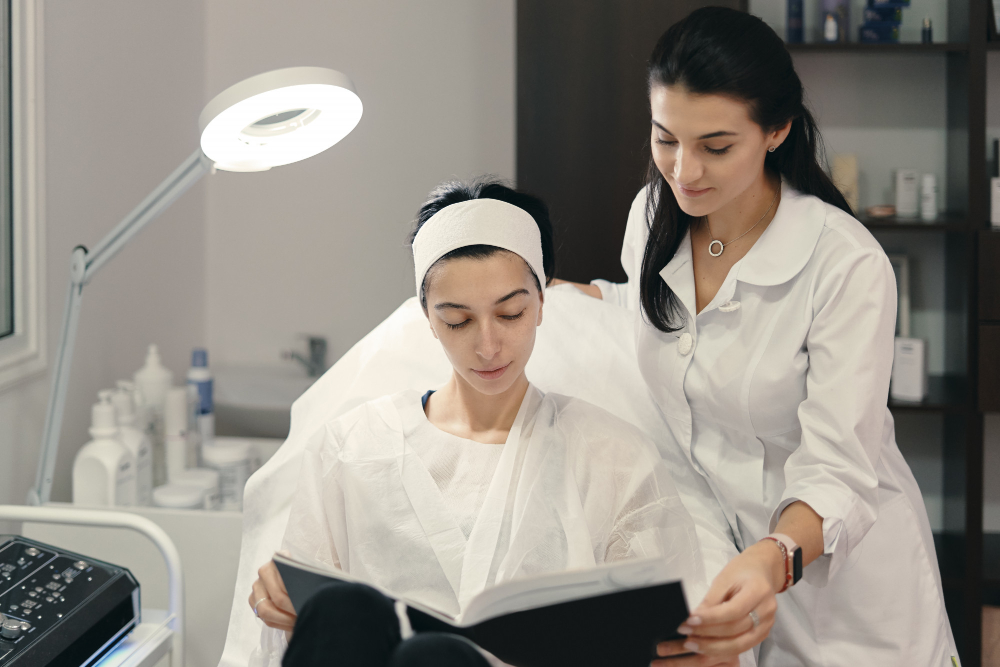
Professional cosmetology means beauty care provided by licensed experts. These professionals complete formal training and pass exams. They learn about skin, hair, and safe beauty treatments. Because of their training, they can handle advanced procedures like chemical peels, laser treatments, and hair restoration. Professional cosmetologists follow strict hygiene and safety rules. As a result, clients often get better and safer results.
Key Differences Between Parlour Care and Professional Cosmetology
While both offer beauty services, there are clear differences. First, parlour care is basic and may lack expert supervision. On the other hand, professional cosmetology uses science-backed methods and trained staff. Additionally, professional cosmetologists can spot skin or hair problems early. They also use safe products and tools. In contrast, parlours may use cheaper or untested products.
Benefits and Risks of Each Approach
Both parlour care and professional cosmetology have pros and cons. For example, parlour care is quick and affordable. But, it may not be safe for everyone. Sometimes, untrained staff can cause skin reactions or infections. On the other hand, professional cosmetology is safer and more effective. However, it can be more expensive and may require appointments.
According to the World Health Organization (WHO), safe beauty treatments lower the risk of skin infections and allergic reactions.
How to Choose the Right Option for Your Skin and Hair
Choosing between parlour care vs professional cosmetology depends on your needs. If you want a simple haircut or threading, parlour care may be enough. However, for skin problems or advanced hair treatments, a licensed cosmetologist is safer. Always check the staff’s training and the cleanliness of the place. For sensitive skin or allergies, professional care is best. Additionally, ask about the products used during treatments.
When to Consult a Dermatologist or Licensed Cosmetologist
Sometimes, you need expert advice. For example, if you have skin rashes, acne, or hair loss, see a dermatologist or licensed cosmetologist. They can diagnose problems and suggest safe treatments. According to the CDC, professional advice helps prevent serious skin issues. If you notice redness, swelling, or pain after a beauty treatment, seek help right away. Also, consult experts before trying new or strong products.
Prevention and Safety Tips for Beauty Treatments
Staying safe during beauty treatments is important. First, always check if the staff are trained. Next, make sure tools are clean and sterilized. Avoid sharing towels or makeup. If you have allergies, tell the staff before the treatment. For safe beauty treatments, follow these tips:
Following these steps can help you avoid infections and skin problems.
Conclusion
Understanding the difference between parlour care and professional cosmetology helps you make safe choices. For simple needs, parlour care may work. However, for advanced or sensitive treatments, choose a licensed expert. Always put your safety first. Consult a dermatologist or licensed cosmetologist for personalized guidance on safe and effective beauty treatments.